What Day-To-Day Life Is Like On The Hoboken Waterfront
June 11, 2026
June 11, 2026
Wake along the Hudson for even a few minutes, and you start to understand why Hoboken’s waterfront has such a strong pull. If you are wondering whether day-to-day life here feels more like a scenic backdrop or a real, functional neighborhood, the answer is both. From morning commutes and park routines to outdoor dining and public events, this guide will help you picture what living on the Hoboken waterfront is actually like. Let’s dive in.
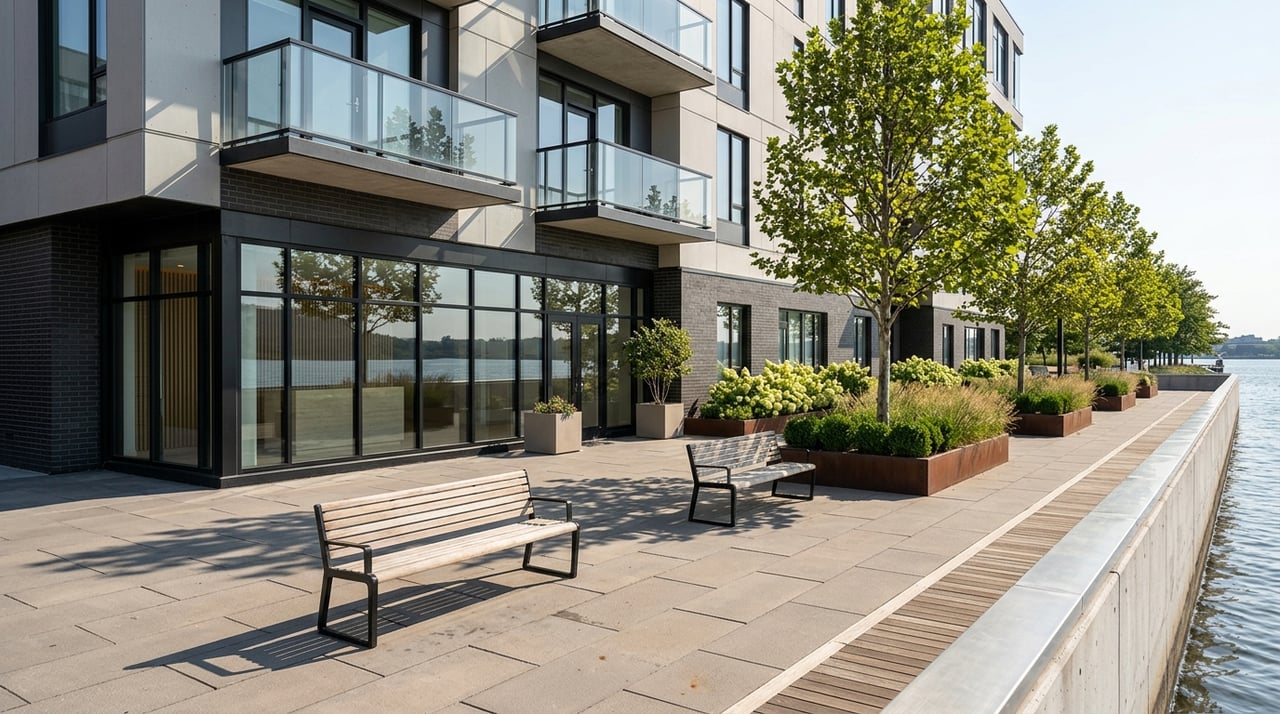
One of the biggest things to understand about the Hoboken waterfront is that it is not just a strip of buildings facing the river. The city has treated it as a public waterfront that continues to evolve, with parks, promenade space, and walkway improvements shaping everyday life.
That matters if you are thinking about living nearby. Instead of a waterfront that feels private or cut off, Hoboken’s shoreline functions more like a shared outdoor living room with paths, activity spaces, and regular public use woven into daily routines.
If you live on or near the waterfront, outdoor access becomes part of your normal schedule. You are not driving to find green space. In many cases, you are simply stepping outside and heading toward the walkway, a lawn, or a pier.
Pier A Park is one of the most recognizable stops along the waterfront. It offers a great lawn, gazebo, and fishing access, which gives it a broad appeal for everything from a quick walk to a relaxed afternoon outside.
Pier C Park adds even more variety. It includes a fishing pier, play area, water play area, rookery, and promenade, making it one of the spots that helps define the waterfront as active and multi-use rather than purely scenic.
Farther along, Sinatra Park includes a kayak launch, outdoor amphitheater, and soccer field. Maxwell Place Park adds a beach area, passive space, and more waterfront walkway, which helps create a day-to-day environment where recreation and downtime are easy to fit in.
The shoreline is also still growing. Maritime Park is under construction on the former Union Dry Dock site and is planned as an 8.7-acre waterfront park with a skatepark, flexible lawn, learning pier, living shoreline, playground, public plaza, community building, rooftop observation deck, expanded beaches, and an extension of the waterfront walkway.
For many residents, the waterfront is as much about movement as it is about views. The promenade and connected public spaces support walking, jogging, biking, and casual trips up and down the shoreline.
The city is also physically upgrading parts of the corridor. The Sinatra Drive redesign covers a 0.7-mile stretch and adds a two-way protected bikeway, safer crossings, street trees, sidewalks, and parking improvements.
That kind of infrastructure shapes daily life in a practical way. It can make an early walk, a bike ride, or even a quick errand feel easier and more comfortable, especially if you prefer a car-light lifestyle.
On Sundays in spring and summer, the city has also used Sinatra Drive as a vehicle-free open-streets corridor between 5th Street and 11th Street. That adds another layer to the waterfront experience, giving residents more room to walk, bike, and spend time outdoors without regular car traffic.
If you are considering the Hoboken waterfront, commute convenience is likely part of the appeal. This is one of the clearest lifestyle advantages of the area, and it helps explain why many buyers and renters see the waterfront as more than just a beautiful address.
Hoboken Terminal anchors the waterfront edge as a central multimodal hub. NJ Transit lists rail, PATH, ferry, and Amtrak services at the terminal, and the station itself has no parking, which reinforces the transit-first feel of the neighborhood.
PATH service is a major part of that routine. Hoboken station is elevator-accessible, with weekday Hoboken to 33 Street service from 6 AM to 11 PM, plus weekend service to both 33 Street and the World Trade Center.
Ferry options add another layer of flexibility. NY Waterway runs the Hoboken 14th Street route seven days a week to Midtown West 39th Street, and the Hoboken/NJ Transit Terminal route also serves Midtown West 39th Street during weekday commuter hours.
Bus and light rail options round things out. NJ Transit’s Hoboken directory shows multiple bus routes at Hoboken Terminal, along with Hudson-Bergen Light Rail connections, and nearby light rail stations such as 2nd Street and Hoboken add accessible transit access with bike racks or lockers available.
Put simply, the waterfront supports a car-light routine in a very real way. If your schedule includes Manhattan commuting, local Hudson County trips, or a mix of both, the transportation network is one of the area’s strongest everyday benefits.
Hoboken’s waterfront is not just quiet promenade space. It is also one of the city’s most active settings for outdoor gathering, dining, and recurring events.
Part of that feel comes from the city’s outdoor dining framework, which allows sidewalk cafes, parklets, and strEateries. In warmer months, that can make the waterfront and nearby streets feel especially lively and pedestrian-oriented.
There are also clear examples of the social side of the shoreline. Pier 13 operates as a seasonal open-air waterfront beer garden with food trucks, water sports, and entertainment, while Wicked Wolf Tavern offers outdoor riverside seating.
Beyond dining, public programming plays a big role in the waterfront atmosphere. Community events have included the annual Spaghetti Dinner Block Party along Sinatra Drive and the Harvest Festival at Pier A Park and the South Waterfront Walkway.
Seasonal programming adds even more activity. Hoboken’s Summer Fun lineup has included concerts, outdoor movies, DanceFest, and fitness classes at waterfront or waterfront-adjacent venues such as Shipyard Park, Sinatra Park, and Pier A Park.
For residents, that means the waterfront often feels animated rather than static. Some days it is your running route or commute path. Other days it becomes the backdrop for a concert, movie night, or casual meet-up outdoors.
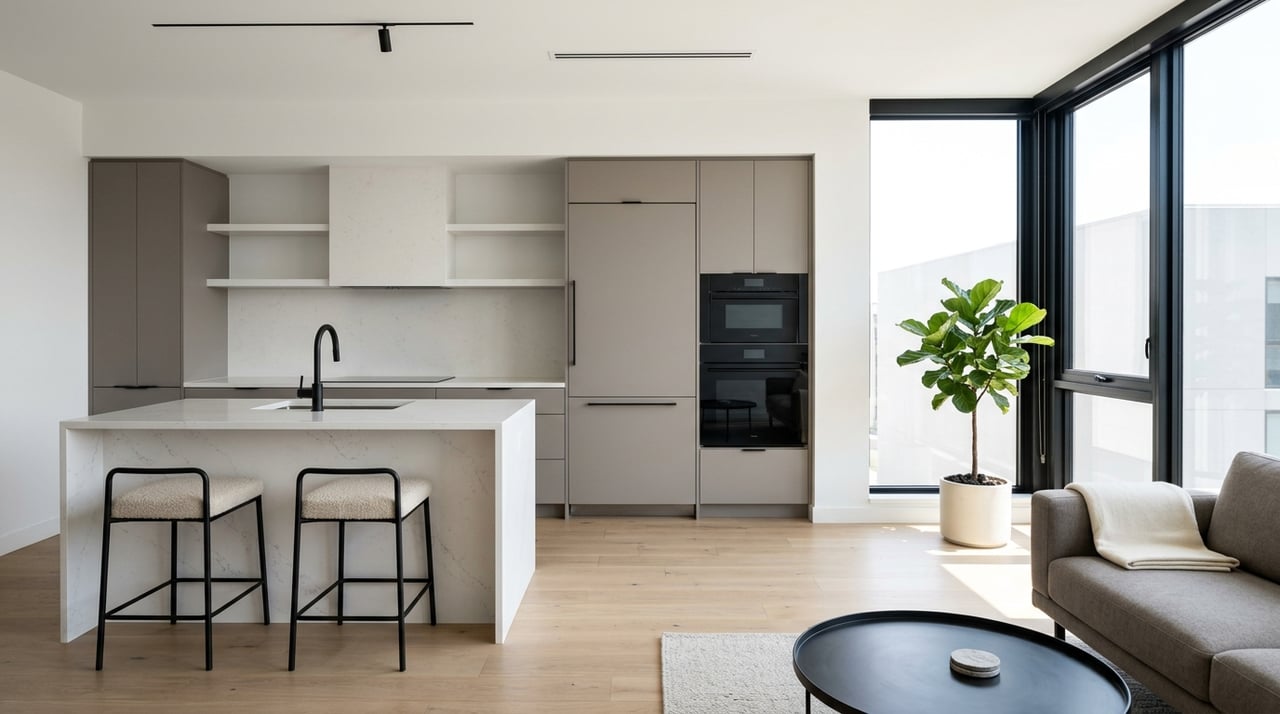
The housing on the Hoboken waterfront is not a single building type repeated over and over. Based on official redevelopment materials, the area includes residential, high-rise residential, office, and low-rise mixed-use uses.
In practical terms, that means you should expect a mix of tower-style condo and rental buildings, mid-rise residential options, and lower-rise mixed-use parcels. The overall feel is more urban and amenity-rich than a classic low-rise rowhouse district.
That distinction matters when you are comparing the waterfront with older parts of Hoboken. Waterfront living can offer easier access to parks, promenade space, and transit, but it also tends to come with denser blocks, more shared public space, and an environment shaped by newer development patterns.
The shoreline is also still being improved. Maritime Park, waterfront-access projects, and Sinatra Drive upgrades all point to a district that is continuing to evolve with an emphasis on safety, green infrastructure, public access, and resilience.
If you are a buyer considering the waterfront, the day-to-day lifestyle is usually the biggest draw. You are choosing a location where the public realm plays a major role in how you live, move, and spend your free time.
That can be a strong fit if you want quick access to transit, a polished urban setting, and a routine that includes parks and the promenade. It can also appeal if you value newer residential product and mixed-use convenience.
At the same time, it helps to go in with clear expectations. The waterfront is active, public-facing, and still seeing ongoing improvement projects, so it may feel busier and more dynamic than quieter interior blocks.
For move-up buyers in particular, this often comes down to lifestyle alignment. If you want a home base that feels connected to the river, transit, and daily outdoor activity, Hoboken’s waterfront offers a very specific kind of urban convenience.
The best shorthand is this: Hoboken’s waterfront is a car-light riverfront district where parks, PATH and ferry access, outdoor dining, and programmed public space are part of normal daily life. It is not just somewhere you visit for the view. It is somewhere many people choose because the view comes with real function.
If that mix of convenience, activity, and open space sounds appealing, the waterfront may be exactly the kind of neighborhood experience you are looking for. And if you want help comparing waterfront options with other parts of Hoboken or nearby Hudson County neighborhoods, working with someone who understands the nuances can make the search much clearer.
If you are thinking about buying, selling, or leasing in Hoboken, Christine Ayubi can help you evaluate the lifestyle, building types, and market opportunities that best fit your next move.
Stay up to date on the latest real estate trends.
Whether buying or selling, Christine provides tailored strategy and dedicated support to help you move with confidence.