Wood-Ridge's Two Housing Markets: What Buyers Actually Get in New Town vs. Old Town
July 16, 2026
July 16, 2026
Most buyers arrive in Wood-Ridge with a single price in their head, usually pulled from a portal that averages the whole borough into one number. That average hides the more useful story. Wood-Ridge is really two housing markets stacked inside one ZIP code, and the line between them runs along a set of train tracks and a tax ordinance.
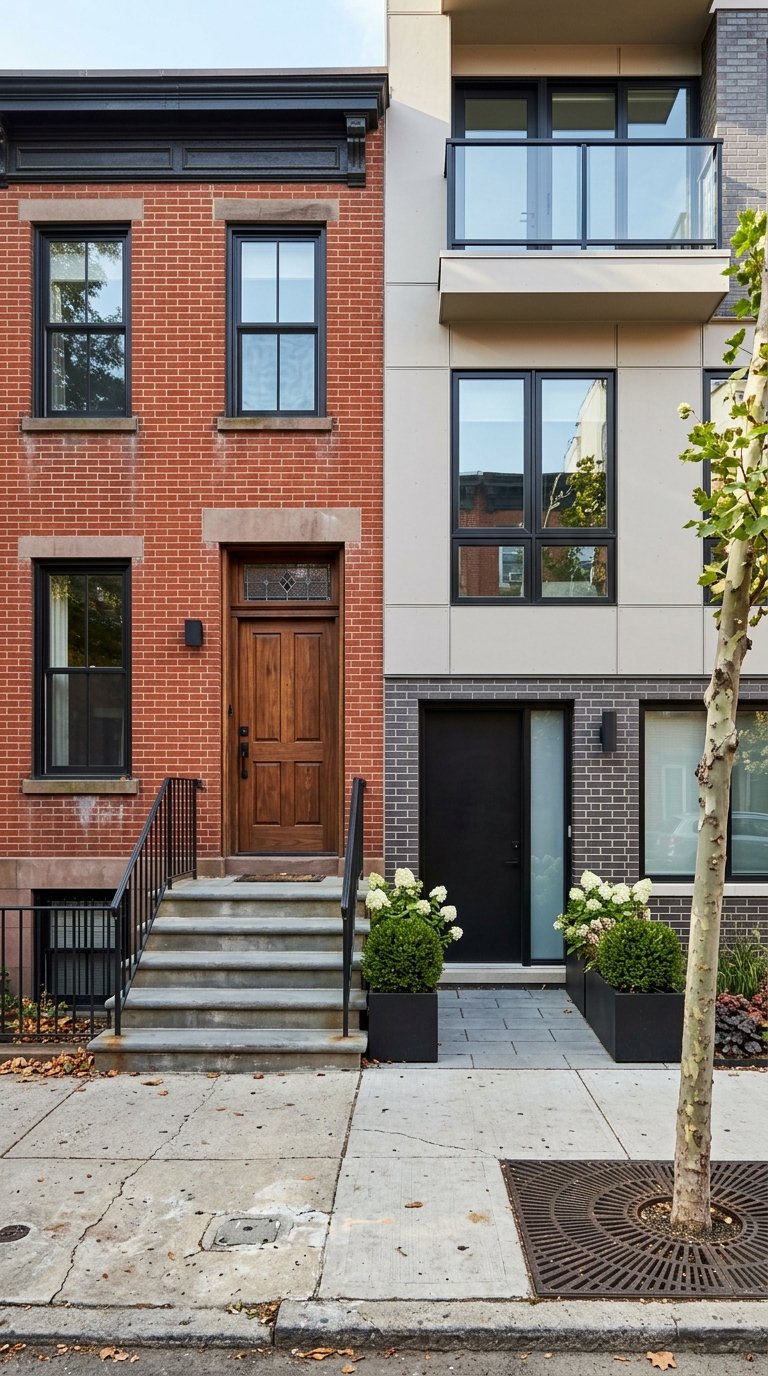
The friction shows up before the offer is even written. A townhome buyer at Wesmont Station inherits a 5-year property tax abatement that was set in motion when the unit was first sold new. If a resale happens in year three, the new owner gets what is left of that clock, not a fresh five years. That single detail changes how carry costs, resale timing, and appraiser comparables all behave on the newer side of town, and it explains why "New Town" and "Old Town" trade differently even when the list prices look similar.
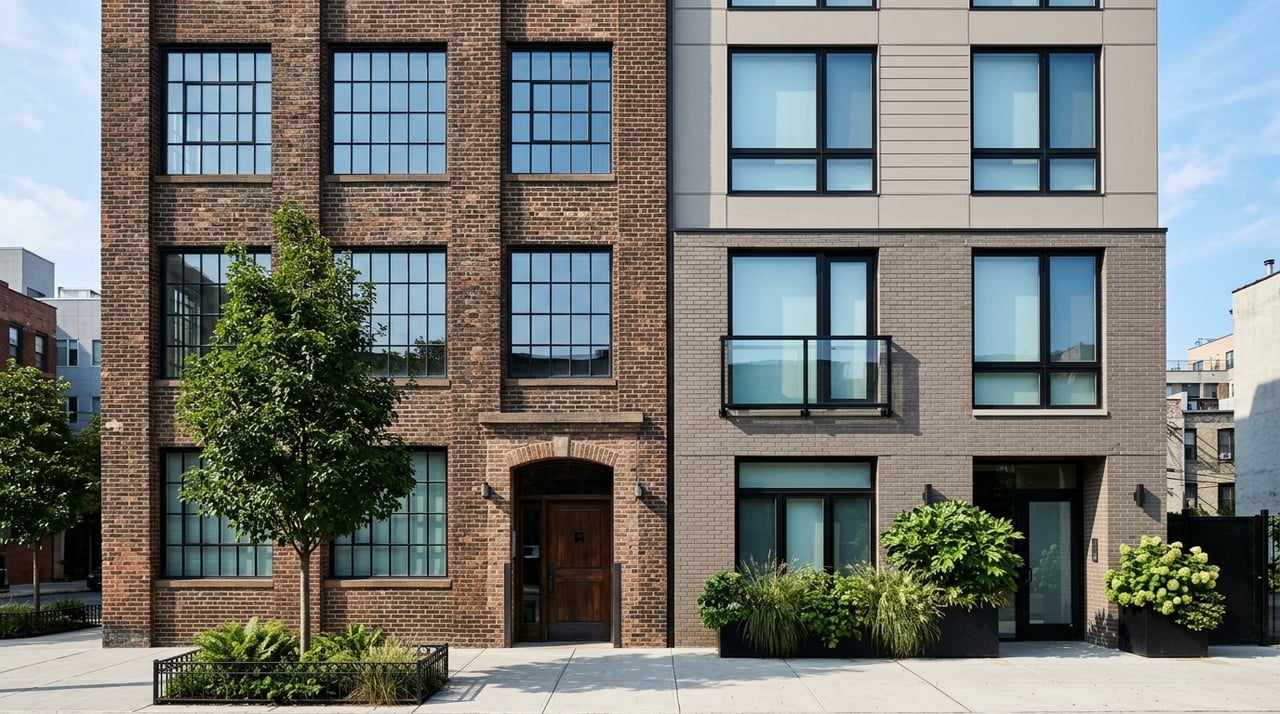
Wood-Ridge is 12 miles from Midtown and 138 acres of it used to be a Curtiss-Wright aircraft engine plant that ran around the clock during the Second World War. That parcel became Wesmont Station, a transit-oriented redevelopment master-planned by Somerset Development and now branded under Inspired. The centerpiece is Wesmont, the NJ Transit stop that opened in 2016 on the Bergen County Line, positioned between Garfield and Rutherford and two stops from Secaucus Junction.
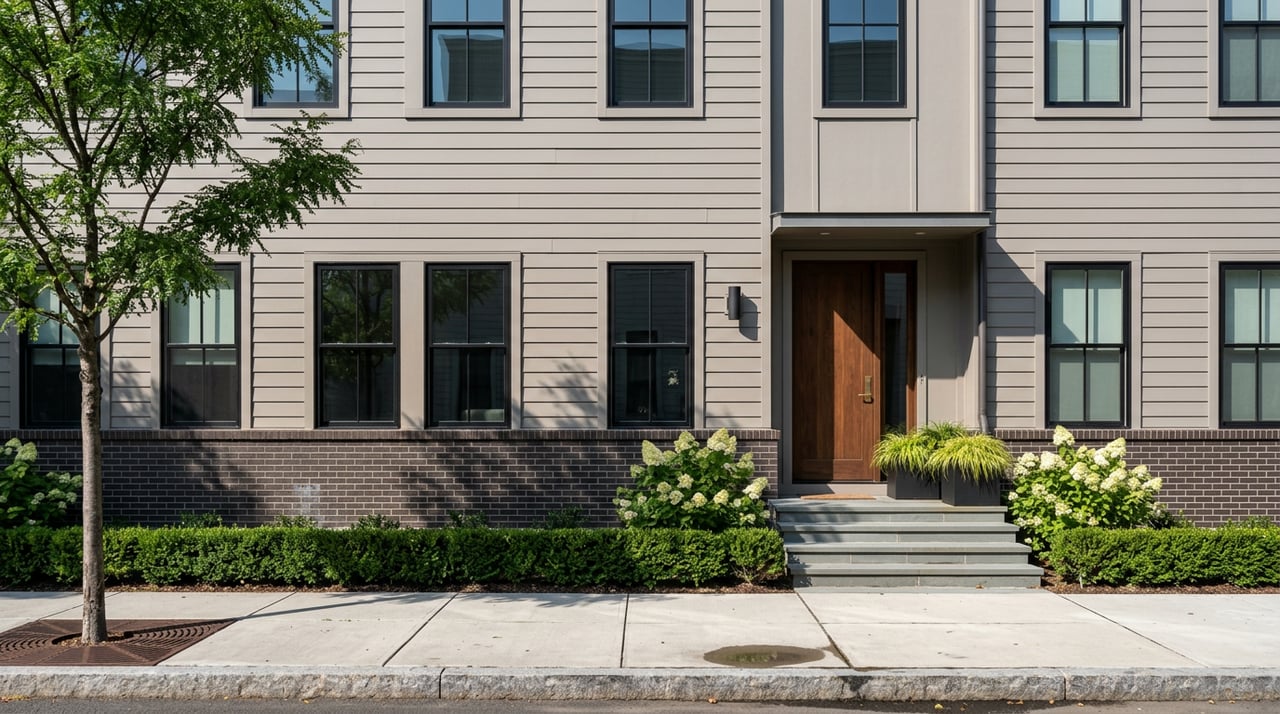
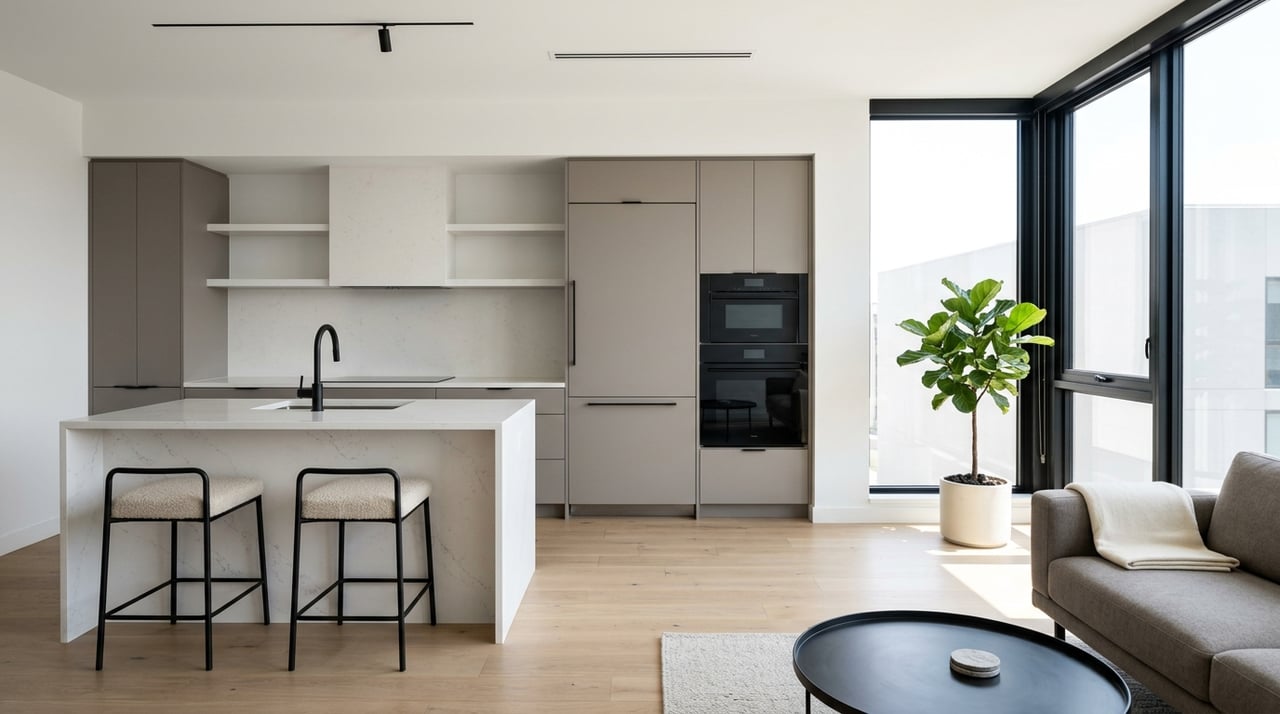
Around the station sit roughly 800 townhomes across three communities: Liberty Square, Wright Place, and Link at Wesmont Station, plus the AvalonBay rental complex that opened first. The Wood-Ridge Athletic Complex, a two-story rec center, a dog park, and a Rosie the Riveter bronze statue near the village entrance were all built as part of the same redevelopment. That is New Town.
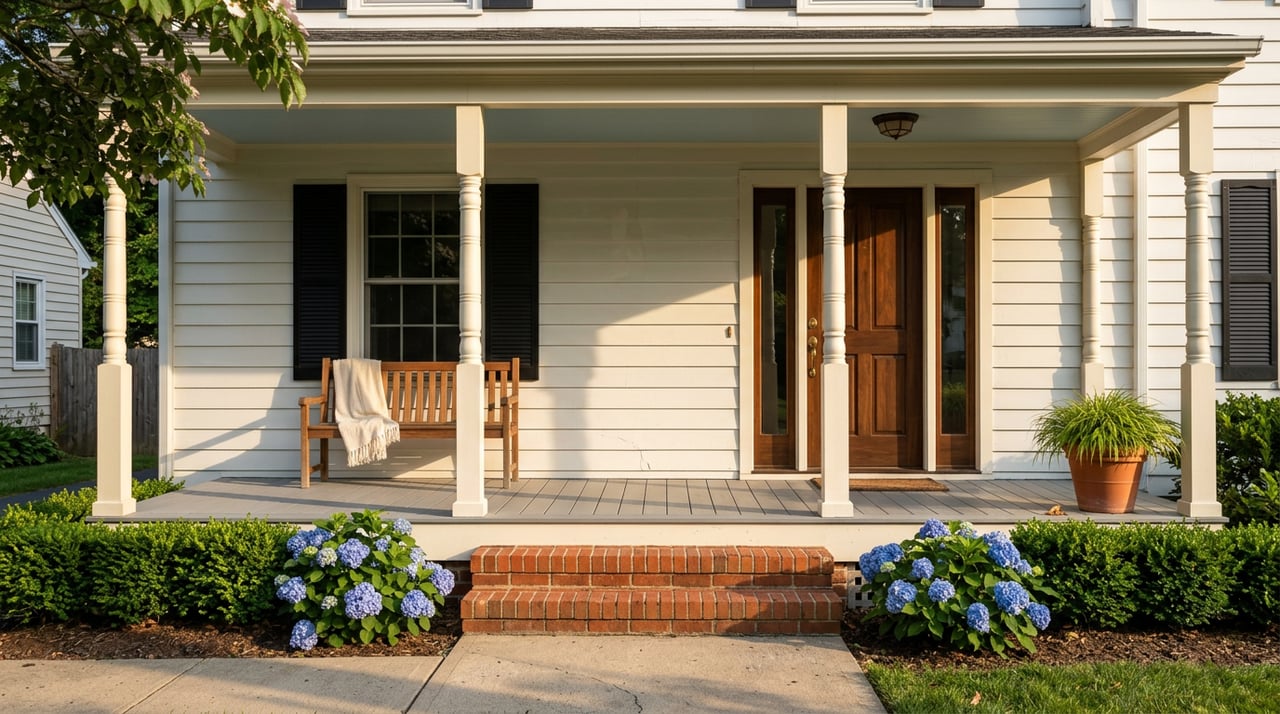
Old Town is the pre-existing borough grid on the other side of Valley Boulevard. Cape Cods, Tudors, split-levels, and colonials from the early and mid-twentieth century, some with a sliver of Manhattan skyline from the Sunshine City section. Old Town is served by the original Wood-Ridge Station, which sits on the Pascack Valley Line, a different NJ Transit branch with a different schedule and a different final approach into New York.
Same borough, same schools, same municipal services. Two very different transactions.
The 5-year tax abatement at Wesmont Station is the mechanism most out-of-town buyers underestimate. It is not a coupon on the purchase price. It is a stepped reduction in the assessed portion of the property tax bill for the first five years after a unit's initial certificate of occupancy. It transfers with the property, which means a resale buyer picks up whatever years remain, not a reset.
That structure has three practical consequences.
| Cost line | Link at Wesmont townhome, year 2 of abatement | Old Town colonial, no abatement |
|---|---|---|
| Monthly HOA | ~$199, including a $29 water fee | $0, owner pays water directly |
| Property tax carry | Reduced during abatement window | Full assessed rate |
| Exterior maintenance | Covered by association | Owner's responsibility |
| Resale positioning | Depends on remaining abatement years | Depends on condition and lot |
The Link at Wesmont HOA schedule is published in the community's own buyer disclosure materials, which also confirm a $398 working capital contribution at closing.
The interpretation matters more than the numbers. In most Bergen County towns, a newer townhome carries a higher monthly cost than a comparable older single-family because the tax bill on new construction is heavier. In Wood-Ridge, the abatement compresses that gap for the first several years. A buyer comparing a Liberty Square resale in year three against an Old Town colonial at a similar list price is often looking at a lower monthly carry on the townhome, not a higher one. That inversion is invisible on any portal.
The catch is symmetric. When the abatement window closes, the tax line steps back up to full assessment. Sellers listing a Wesmont townhome in years four and five are effectively selling a shrinking asset on the tax side, and any buyer's underwriter will model the year-six carry, not the year-four one. This is the transaction friction that catches move-up buyers off guard when they try to time a resale.
The two stations are not interchangeable. Wesmont sits on the Bergen County Line, which requires a transfer at Secaucus Junction to reach New York Penn Station. The scheduled ride is roughly a half hour plus the transfer. The older Wood-Ridge station on the Pascack Valley Line runs on a different frequency pattern, and peak service on that line has historically been less dense than on the Bergen Line.
For a buyer commuting five days a week, the practical read is this. New Town gives you a five-minute walk to Wesmont and a one-transfer ride into Penn. Old Town gives you a suburban walk to the Pascack Valley platform and a schedule that rewards flexibility more than it rewards a strict 8:30 arrival. Neither is objectively better. They are different products, and the price-per-lifestyle question turns on which train you would actually take.
Wesmont's ridership sits around 266 daily passengers per figures cited by the borough administrator in local coverage, well below pre-pandemic projections but ahead of NJ Transit's early estimates. That gap between forecast and reality is itself useful information for a buyer weighing whether the "transit village" premium is priced in or still emerging.
The Old Town half of the borough has been overshadowed by the redevelopment story for a decade, and that has produced a genuine pricing quirk. Single-family inventory on the older grid tends to trade closer to $660,000 in mid-2026, per aggregated MLS-sourced data, while borough-wide list medians have hovered near $735,000. The single-family stock is smaller, older, and has no HOA, which means the owner controls every exterior decision and every reserve dollar.
The lifestyle spine is walkable and specific. Mills Bakery on Valley Boulevard has been a fixture for nearly a century. Goldberg's Original Bagels sits across the street. Justin's Ristorante II on Hackensack Street is the white-tablecloth Italian anchor. The Ridge House at 191 Valley Boulevard, which took over the former Gus' Last Word space, opened as a full-service restaurant and bar with a back patio and roughly 150 seats, and Rola's Kitchen adds a Mediterranean option that opened in 2023. Veterans Memorial Park hosts the borough street fair and the annual tree lighting.
None of that is priced into a portal median. A buyer paying attention to the Old Town spine is buying into a smaller, older housing stock with more discretion on renovations and a walkable commercial thread that is still gaining restaurants.
A few items that reliably surface late in Wood-Ridge transactions and are worth pricing in before you write the offer:
Is Wesmont Station finished? The core residential and station build-out is complete. Buildings continue to trade on resale, and the athletic complex, rec center, and station plaza are in full use.
Does the tax abatement apply to every Wesmont home? It applies to units originally sold new under the redevelopment framework. Confirm the specific unit and the years remaining before assuming it transfers.
Is Old Town cheaper than New Town? Sometimes on price, not always on monthly carry. The abatement window can flip that comparison during years one through five.
Can I walk from a Wesmont townhome to Old Town amenities? Yes. Valley Boulevard is a straight line, and Mills Bakery, Goldberg's, and The Ridge House are all reachable on foot from most of the new communities.
Wood-Ridge rewards buyers who understand which of its two markets they are actually shopping in. If you are weighing a Wesmont Station townhome against an Old Town colonial, or comparing either against a Jersey City or Hoboken alternative, Christine Ayubi can walk you through the abatement math, the commute tradeoffs, and the resale timing before you write the offer.
Stay up to date on the latest real estate trends.

Whether buying or selling, Christine provides tailored strategy and dedicated support to help you move with confidence.